Reading's own flood plan: basements fill with 'mixed stormwater and sewage' when storms hit. Integrity Water Damage Restoration Ohio gives 24/7 sewage & flood cleanup. Call (614) 956-3233.
Water Emergency Right Now?
Do these five things first — then let us take it from there.
- Stay safe first. Don't walk through standing water if the power may be on — and never touch submerged outlets, panels, or appliances.
- Stop the source if you can. Shut the main water valve for a burst pipe or appliance leak. For storm flooding, focus on safety, not the water.
- Call (614) 956-3233 now. Our dispatchers answer 24/7 and can talk you through the next steps while a crew rolls.
- Move what matters. Lift rugs, electronics, and furniture legs out of the water if it's safe to do so — every inch helps.
- Don't wait on drying. Mold can start within 24–48 hours. Fast professional drying is the difference between a cleanup and a rebuild.
01In the City's Own Words: "Basements Filled with Mixed Stormwater and Sewage"
Most flood histories have to be reconstructed from old newspapers. Reading's is written down by the city itself. The City of Reading's Recreation Trail and Flood Control Plan — a municipal planning document — describes the city's flood exposure with unusual candor, including this sentence about what happens when storms overwhelm the system: flooding can result in "basements filled with mixed stormwater and sewage due to combined sewers and a sudden storm event."
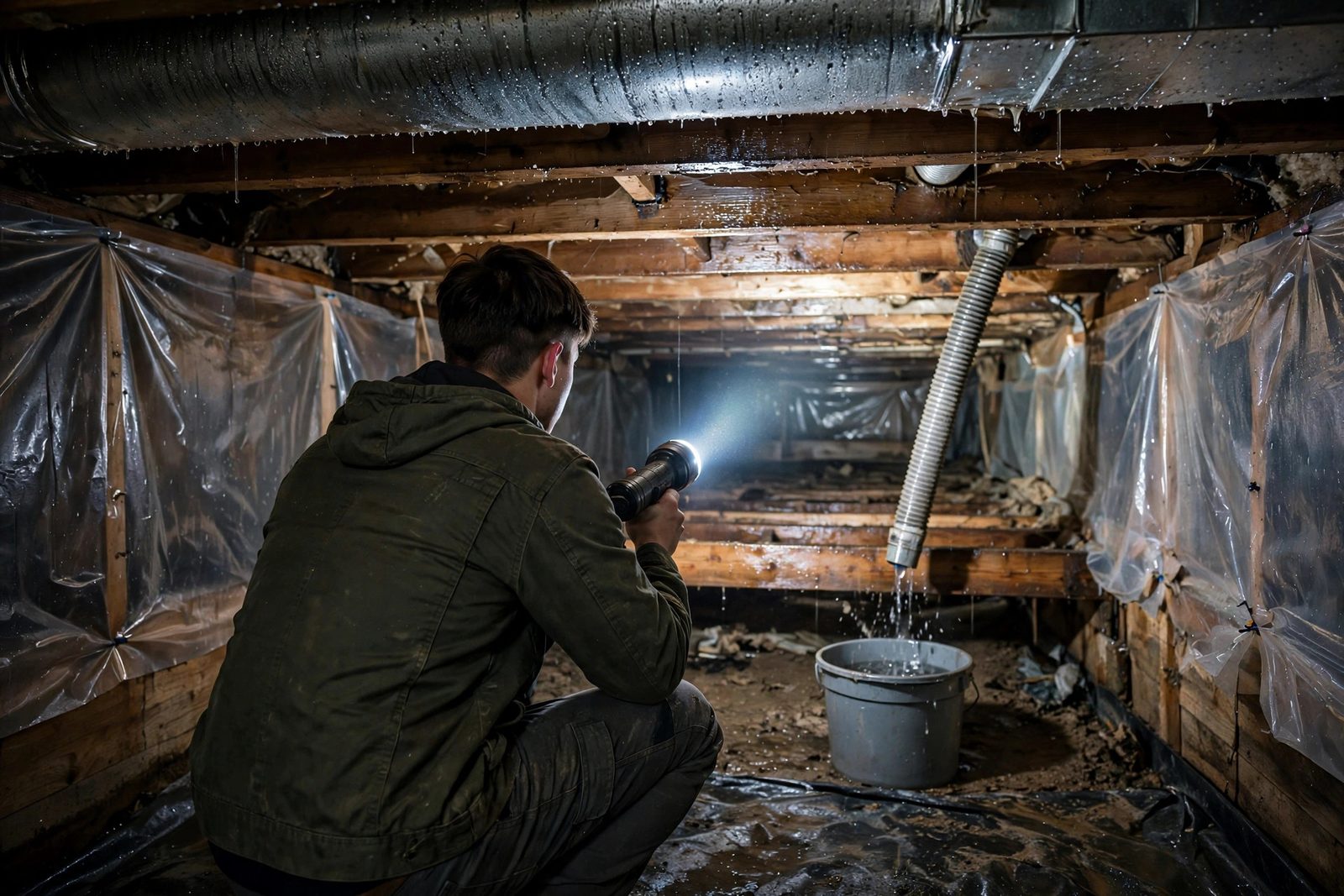
Read that again. Not stormwater. Not sewage. Mixed stormwater and sewage — in basements, from the city's own combined sewers, during sudden storms. That single sentence is the sharpest possible summary of water risk in this Mill Creek valley city (~10,600 residents, north of Cincinnati): when the rain comes hard, Reading's basements don't just get wet. They get contaminated. Integrity Water Damage Restoration Ohio provides 24/7 emergency water damage restoration across Reading and the Mill Creek valley: sewage extraction, decontamination, verified structural drying, and mold prevention. If sewage is in your basement right now, stay out and call (614) 956-3233.
02Two Flood Sources, One Valley
The city's plan names two distinct flood sources for Reading, and understanding both is the key to protecting your home:
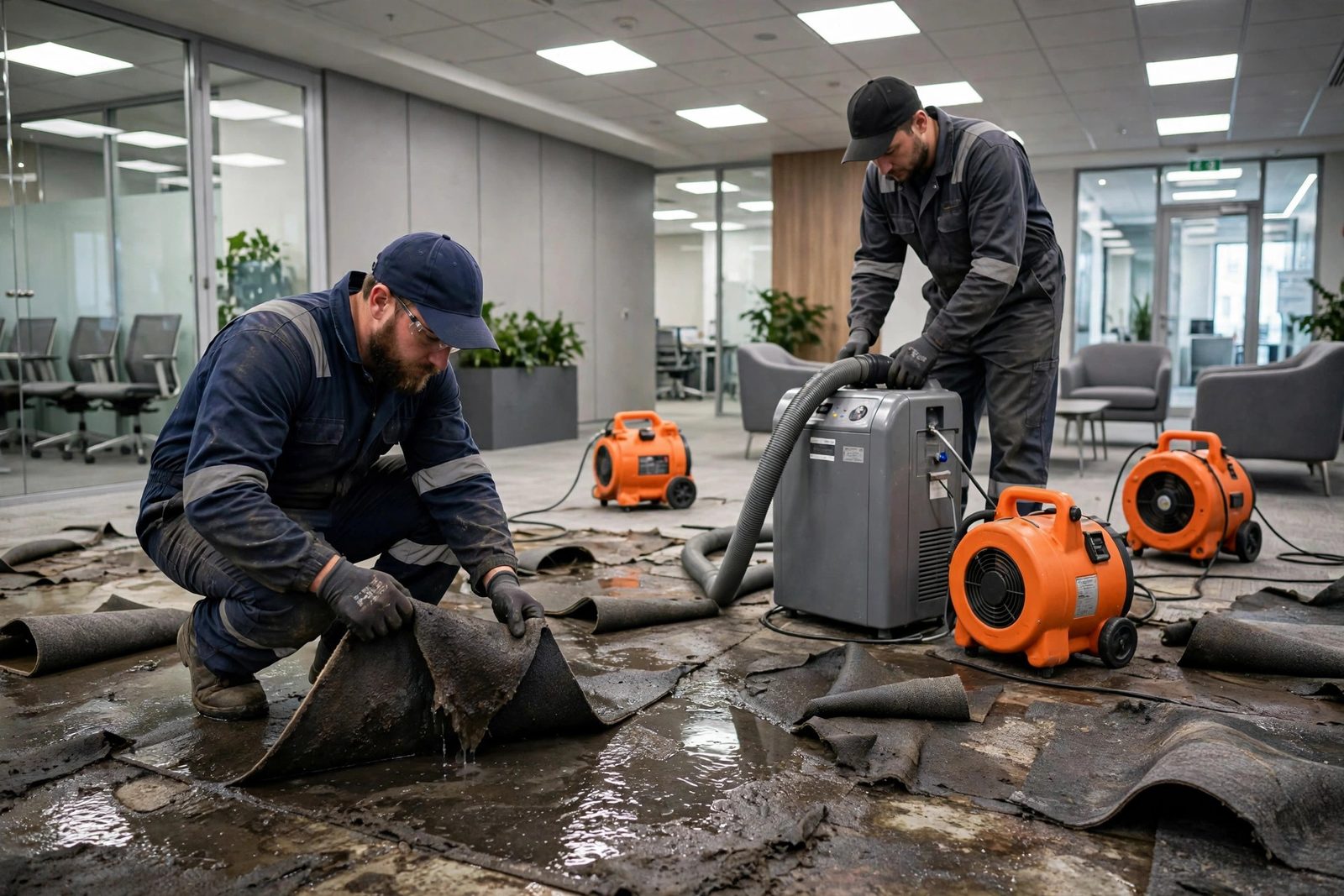
- Backwater flooding from the Ohio River. Historically, the Ohio River's elevation swings pushed water "all the way up the Mill Creek valley" — the river backing up into the valley from downstream, flooding from the wrong direction. In the record 1937 flood, the Ohio covered at least one-sixth of Hamilton County, drove 100,000+ people from their homes, and — in a detail that captures the era's industrial valley — "the Mill Creek caught on fire."
- Runoff flooding from the Mill Creek watershed upstream of the city. Rain falling on the watershed above Reading funnels down the valley, and the city's low-lying development sits in its path. Fill added as far back as the early 1800s to raise land "has not been enough to elevate development above the 100-year floodplain" — the city's own assessment.
Two sources, one valley floor. Reading's older industrial-city housing stock — early-1900s homes with basements near the valley floor — sits exactly where both converge.
031959: The Flood That Came After the Dams
Here's the event that should retire any complacency about flood infrastructure. In 1959, Reading suffered a flood that caused millions of dollars in damage and forced 40 families from their homes (ODNR 1959, via the city's flood-control plan) — and it happened despite the newly built flood-control dams upstream.
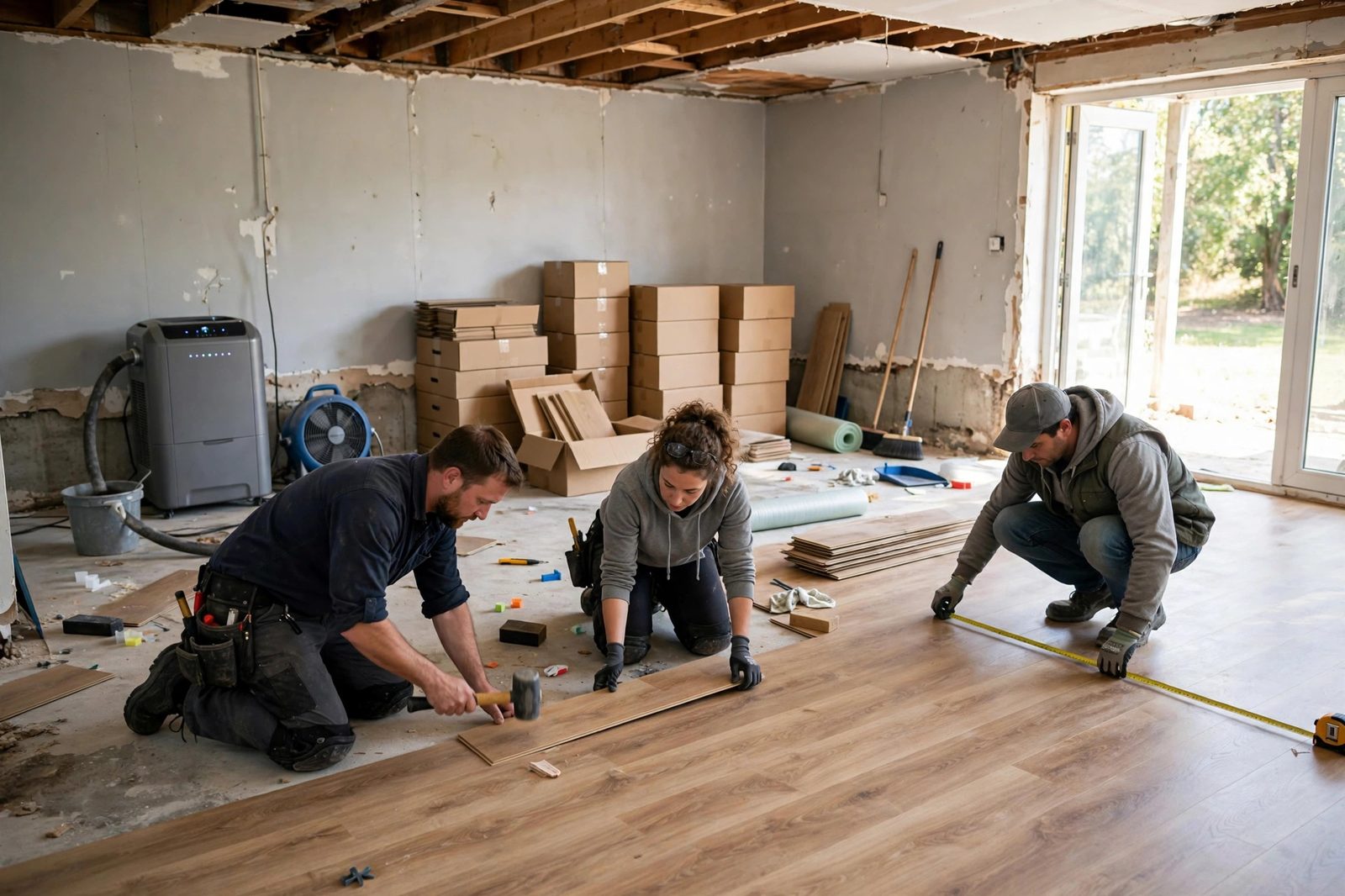
The infrastructure story is real: the Mill Creek Barrier Dam (1945) blocks Ohio River flooding from entering the valley, and in the 1950s the Corps dammed the West Fork of Mill Creek — creating Winton Lake — and Sharon Creek — creating Sharon Lake — to control watershed runoff. These are serious structures. And in 1959, the water came anyway.
The lesson isn't that the dams failed — it's that no dam system eliminates the sudden-storm, combined-sewer, valley-floor risk the city's plan describes. The dams manage the big, slow threats. Your sump pump, backwater valve, and grading manage the fast ones. When those fail, (614) 956-3233 is the number for emergency extraction and verified drying.
042026: Still on the Warning List
Reading's flood story isn't history — it's this year. The July 21, 2026 NWS flood advisory explicitly listed Reading among affected communities. The August 7, 2026 flood warnings covered Mill Creek across Greater Cincinnati, with flooding reported on I-71 near Reading's corridor. And on October 3, 2026, Hamilton County was included in the Presidential Major Disaster Declaration for the August 2026 storms.

If your Reading basement took on mixed stormwater and sewage in 2026 — the exact scenario the city's plan describes — professional decontamination isn't optional. Sewage is Category 3 black water: full extraction, removal of contaminated porous materials, disinfection, and verified drying. Don't run household fans on it; they spread contamination. Call (614) 956-3233 now.
More Than Water Removal
Water is only the first problem. Here's what we actually fix when we walk through your door.
Structural Damage
Standing water weakens framing, subfloors, and foundations. Fast extraction stops a small leak from becoming a structural repair.
Mold Growth
Mold can colonize damp drywall within 48 hours. We dry to verified moisture standards and treat surfaces to prevent regrowth.
Health Risks
Sewage backups and long-standing water carry bacteria and contaminants. We clean and sanitize until the space is safe again.
Lingering Odors
A musty smell means moisture is still hiding somewhere. We find the source, dry it completely, and deodorize — never just mask it.
Ruined Floors & Walls
Buckled hardwood, swollen drywall, peeling paint. We remove what can't be saved and rebuild what matters, start to finish.
Insurance Stress
Claims stall on thin documentation. We photograph everything, log moisture readings daily, and deliver adjuster-ready reports.
05Protecting a Valley-Floor Basement
For Reading's older valley homes, the defense checklist is specific:

- Backwater valve on the sewer lateral — the single highest-value upgrade against the combined-sewer backup the city's plan describes.
- Sump pump with battery backup — sudden storms knock out power; the pump has to run anyway.
- Know your floodplain status — the city's plan is explicit that historic fill didn't lift development above the 100-year floodplain. Check your flood zone and your insurance: standard homeowners policies exclude both flooding and sewer backup.
- Freeze–thaw protection — older valley homes with original plumbing are burst-pipe candidates every winter.
Our process: rapid 24/7 dispatch → moisture mapping → truck-mounted extraction (including sewage) → industrial drying verified by daily readings → antimicrobial treatment and odor control → mold prevention inside the 24–48 hour window → documented rebuild, with insurance-ready documentation formatted for adjusters and disaster-aid claims alike. Call (614) 956-3233.
06CTA Blocks
Reading Basement Flooding or Sewage Backup? Call Now — 24/7. The city's own flood plan says it plainly: sudden storms can fill Reading basements with mixed stormwater and sewage. Integrity Water Damage Restoration Ohio provides 24/7 emergency sewage extraction, decontamination, and structural drying across Reading and the Mill Creek valley. Call (614) 956-3233 for immediate response.
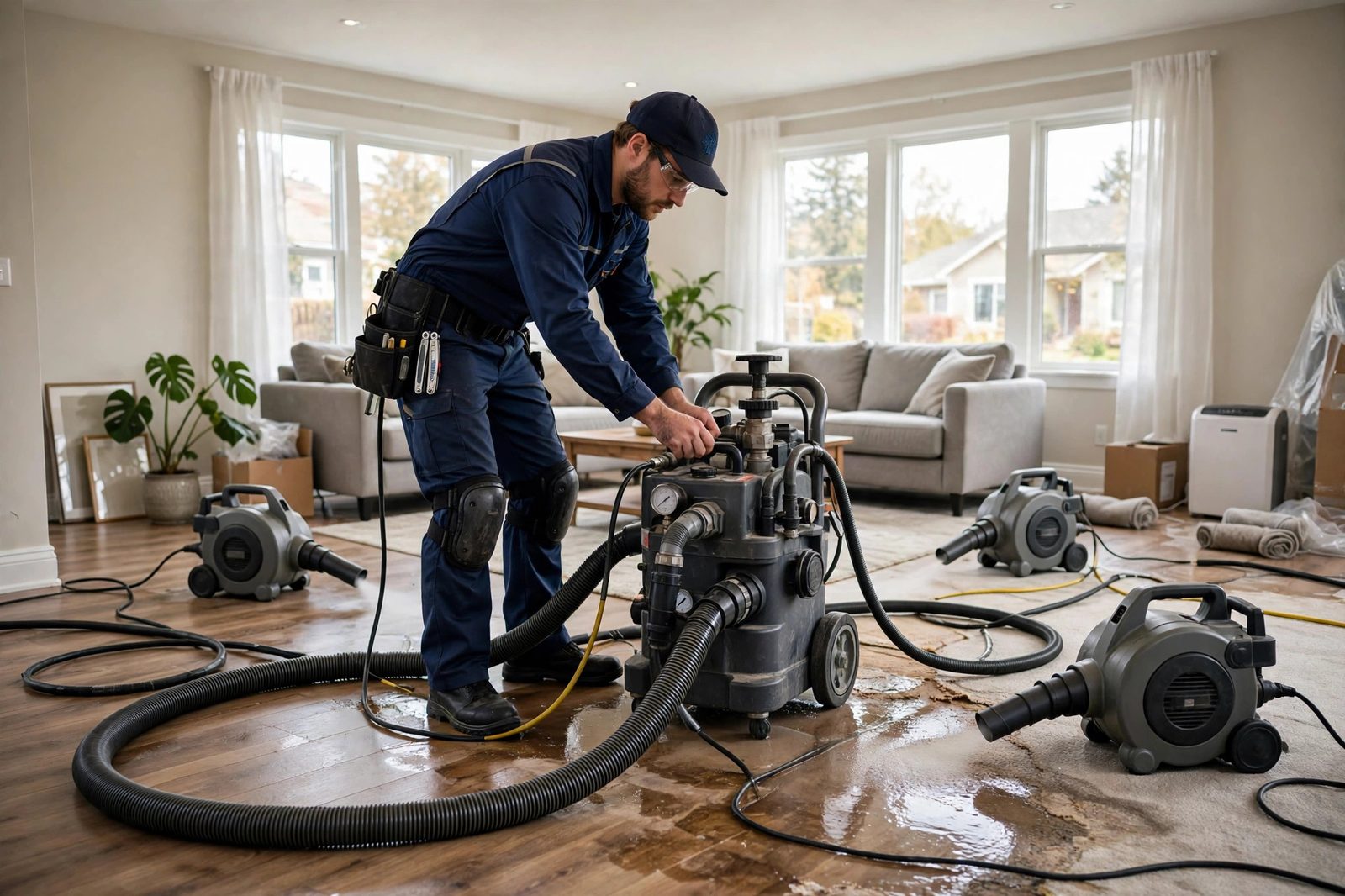
Free Moisture Inspection — Reading & the Mill Creek Valley Musty basement? Stains after the 2026 storms? Suspect combined-sewer damage? We'll inspect, measure moisture behind walls and under floors, and give you an honest assessment — free. Serving Reading, Lockland, Evendale, Wyoming, and Arlington Heights. Call (614) 956-3233.
Our Restoration Process
A disciplined, four-step method — no guesswork, no shortcuts, no surprises.
Rapid Assessment
We inspect on arrival, map hidden moisture with meters and thermal imaging, and lay out a clear plan before any work starts.
Water Extraction
Truck-mounted and portable extractors pull standing water fast — the single biggest factor in limiting total damage.
Drying & Dehumidification
Commercial air movers and dehumidifiers run under daily monitoring until every material reaches verified dry standard.
Cleaning & Restoration
Sanitizing, odor removal, drywall, flooring, and paint — your property restored by one accountable crew.
“Every hour water sits, the damage — and the bill — grows.”
Call (614) 956-3233 — We Answer 24/7Why Ohio Homeowners Call Us First
- 24/7 live dispatch — a real person answers, day or night, holidays included
- 60-minute emergency response goal across our Ohio service area
- Upfront, honest pricing explained before work begins
- Insurance-ready documentation — photos, moisture logs, line-item reports
- Mold prevention built in — antimicrobial treatment on every drying job
- One accountable crew from emergency extraction to final repairs
Water Damage Can't Wait — Neither Do We
Our Ohio crews are on call 24/7 for emergency water extraction and drying.
Call (614) 956-3233 Now?Frequently Asked Questions — Water Damage in Reading
It's the City of Reading's own description of what happens when sudden storms overwhelm the combined sewers: stormwater and sanitary sewage back up together into basements. Cleanup requires full sewage decontamination — extraction, removal of contaminated porous materials, and professional disinfection — not just drying. Call (614) 956-3233 immediately.
When the Ohio River runs high, it can push water upstream into tributary valleys — historically "all the way up the Mill Creek valley," per the city's plan. It's flooding that arrives from downstream, which is why the Mill Creek Barrier Dam (1945) was built to block it.
The 1959 flood (40 families displaced, millions in damage per ODNR) struck despite the newly built West Fork and Sharon Creek dams — proof that dams manage big-river threats but can't stop sudden-storm runoff and combined-sewer overwhelm in the valley. Home-level defenses still matter.
Hamilton County was included in the October 3, 2026 Presidential Major Disaster Declaration for the August 2026 storms. If your property was damaged, document everything with photos before cleanup, keep receipts, and call (614) 956-3233 — our documentation is formatted for adjusters and aid claims.
Often it comes down to your sewer lateral's elevation, condition, and connection point — older laterals with root intrusion or low connection points back up first. A backwater valve can stop the city's surcharge from entering your home; ask us during your visit at (614) 956-3233.
Also Serving Nearby Communities
Fast response across the region — pick your town for local flood risks and what to do first.
How Was Your Experience?
If our crew helped you through a water emergency, your review helps Ohio neighbors choose with confidence.