If there's one water damage call that defines Ohio, it's the flooded basement. Nearly every Ohio home has a basement. Nearly every Ohio basement depends on a sump pump, sits in clay soil or on a high water table, and connects to plumbing and sewer lines that are often decades old. When any one of those systems fails — or when a storm overwhelms all of them at once — the basement fills.
Integrity Water Damage Restoration Ohio provides 24/7 basement flooding cleanup across Ohio: emergency water extraction, complete structural drying, sanitizing, and mold prevention — for finished and unfinished basements alike. Whether it's two inches of seepage or three feet of sewage, call (614) 956-3233 any time.
Flooded basement in Ohio? Integrity Water Damage Restoration Ohio offers 24/7 basement flooding cleanup: water extraction, drying, sanitizing & mold prevention. Sump failures, seepage & backups. Call (614) 956-3233.
Water Emergency Right Now?
Do these five things first — then let us take it from there.
- Stay safe first. Don't walk through standing water if the power may be on — and never touch submerged outlets, panels, or appliances.
- Stop the source if you can. Shut the main water valve for a burst pipe or appliance leak. For storm flooding, focus on safety, not the water.
- Call (614) 956-3233 now. Our dispatchers answer 24/7 and can talk you through the next steps while a crew rolls.
- Move what matters. Lift rugs, electronics, and furniture legs out of the water if it's safe to do so — every inch helps.
- Don't wait on drying. Mold can start within 24–48 hours. Fast professional drying is the difference between a cleanup and a rebuild.
01Why Ohio Basements Flood
Ohio basements don't flood randomly. They flood for specific, repeatable reasons — and knowing which one hit you determines how we fix it:
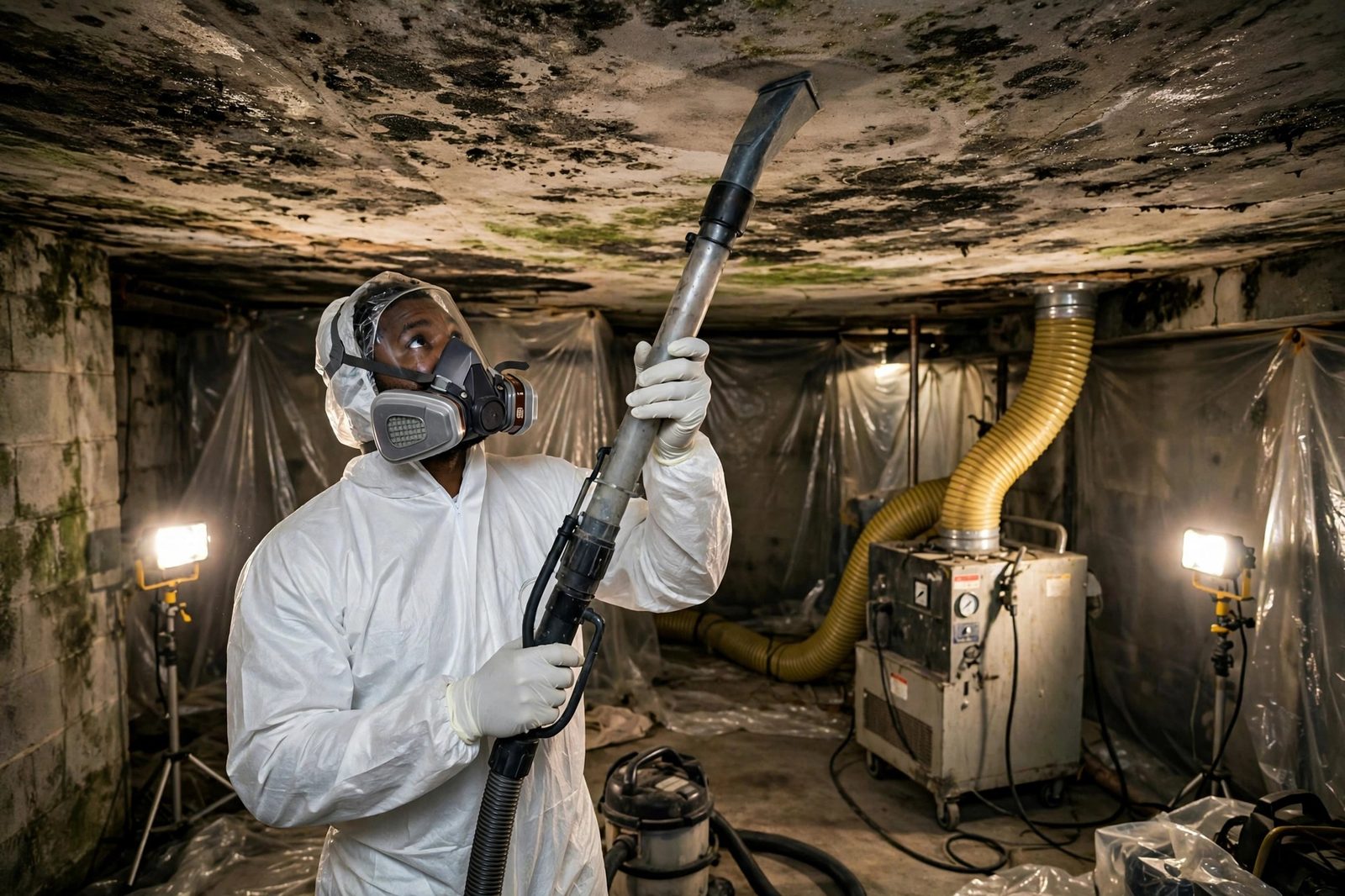
Sump pump failure — the #1 cause. The pump burns out, the float switch sticks, the discharge line freezes or clogs, or the power goes out during the storm that's causing the flooding. A dead sump pump in a finished basement during spring rains can mean thousands of dollars in damage in a single night. This is the call we get most.
Sewer and drain backup. In Cincinnati, Columbus, Cleveland, and other Ohio cities with combined sewer systems, intense rain can surcharge the sewers and push raw sewage back up through basement floor drains and toilets. Tree roots invading aging clay sewer laterals cause the same backup on a house-by-house basis. The May 2026 sewer collapse in Columbus's German Village — three feet of combined sewage in a school basement — showed what happens when the system fails catastrophically.
Hydrostatic seepage. Ohio's clay-heavy soils (central Ohio) and high water tables (northwest Ohio's flat lake plain) create constant groundwater pressure against foundation walls and floor joints. After sustained rain, water pushes through cracks, cove joints, and porous concrete — no failed equipment required.
Flash flooding and surface water. When storms dump inches of rain in hours — like the August 2026 events across Licking, Fairfield, and Franklin counties — water runs toward the lowest point. That's your basement stairwell, your window wells, and your foundation.
Plumbing failures. Water heaters (usually installed in basements) rupture without warning. Washing machine hoses burst at full line pressure. Supply lines to basement bathrooms and wet bars leak silently for weeks.
Frozen pipes. Basement and crawl-space pipes in exterior walls freeze and burst during Ohio's deep cold snaps — the January 2014 polar vortex proved how widespread this gets.
02Finished vs. Unfinished Basements: Different Floods, Different Jobs
Unfinished basements flood more often but cost less to restore: concrete floors, exposed framing, and minimal contents. The job is extraction, drying, sanitizing, and verifying the structure — usually straightforward.

Finished basements are where floods get expensive. Carpet and pad, drywall, insulation, baseboards, home theaters, gyms, guest suites, stored belongings — a finished basement multiplies both the damage and the restoration scope. Contaminated water in a finished basement typically means removing drywall (usually cut 2+ feet above the waterline), discarding insulation and carpet pad, and rebuilding.
Either way, the process starts the same: call (614) 956-3233, and we handle it from extraction through rebuild.
03Our Basement Flooding Cleanup Process
1. Emergency response — 24/7
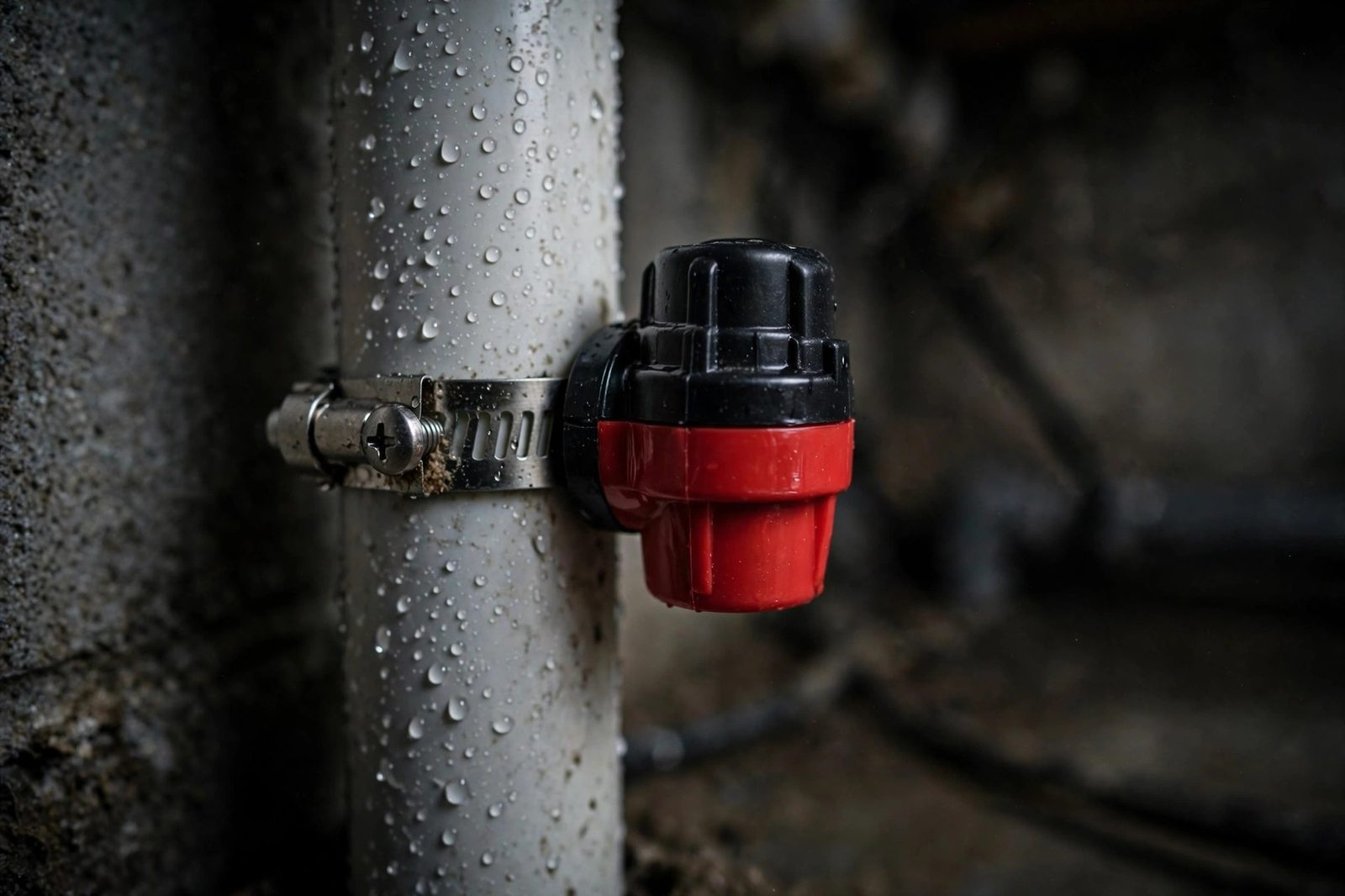
Call (614) 956-3233 any time. We dispatch a crew, assess safety (electrical hazards are common in flooded basements), identify the water category, and get extraction started.
2. Water extraction
Commercial pumps and extractors remove standing water — from a few inches to several feet. In finished basements, we also extract water trapped in carpet pad and behind baseboards.
3. Content handling
We help move salvageable belongings to a dry area. Items are inventoried and documented for your insurance claim. Contaminated porous items (in sewage jobs) are bagged and disposed of properly.
4. Removal of unsalvageable materials
Wet drywall, insulation, carpet pad, and other materials that can't be dried or sanitized are removed. In sewage or floodwater jobs, this is extensive — Category 3 water means porous materials come out, period.
5. Cleaning and sanitizing
All affected surfaces are cleaned and treated with professional antimicrobial products. Sewage and floodwater jobs get full sanitization — because "looks clean" and "is sanitary" are very different things.
6. Structural drying
Industrial air movers and commercial dehumidifiers run on a monitored plan until framing, subfloors, and remaining materials verify dry with instruments. Basements are naturally humid and slow to dry — this step can't be rushed or skipped.
7. Mold prevention
The EPA advises drying water-damaged areas within 24–48 hours to prevent mold growth. Our process is built around that window, with inspection for mold conditions before we sign off.
8. Repairs and rebuild
Drywall, flooring, trim, and paint — we put your basement back together, finished or unfinished.
04What To Do When Your Basement Floods
- Don't walk into it blindly. If water may have reached electrical outlets, the panel, or appliances, stay out until it's checked. Flooded basements and electricity are a deadly combination.
- If it's sewage, stay out entirely. Category 3 water is a health hazard. No belongings are worth the exposure.
- Shut off power to the basement from a dry location if you can do so safely (breaker box upstairs).
- Photograph everything — waterlines on walls, damaged items, the extent of flooding — before anything is moved.
- Call Integrity Water Damage Restoration Ohio at (614) 956-3233 — 24/7. Then call your insurance company to report the loss.
- Don't run to the hardware store for a pump first. By the time you've bought, set up, and run a consumer pump, professionals could have extracted the water and started the drying plan. Every hour matters for mold prevention.
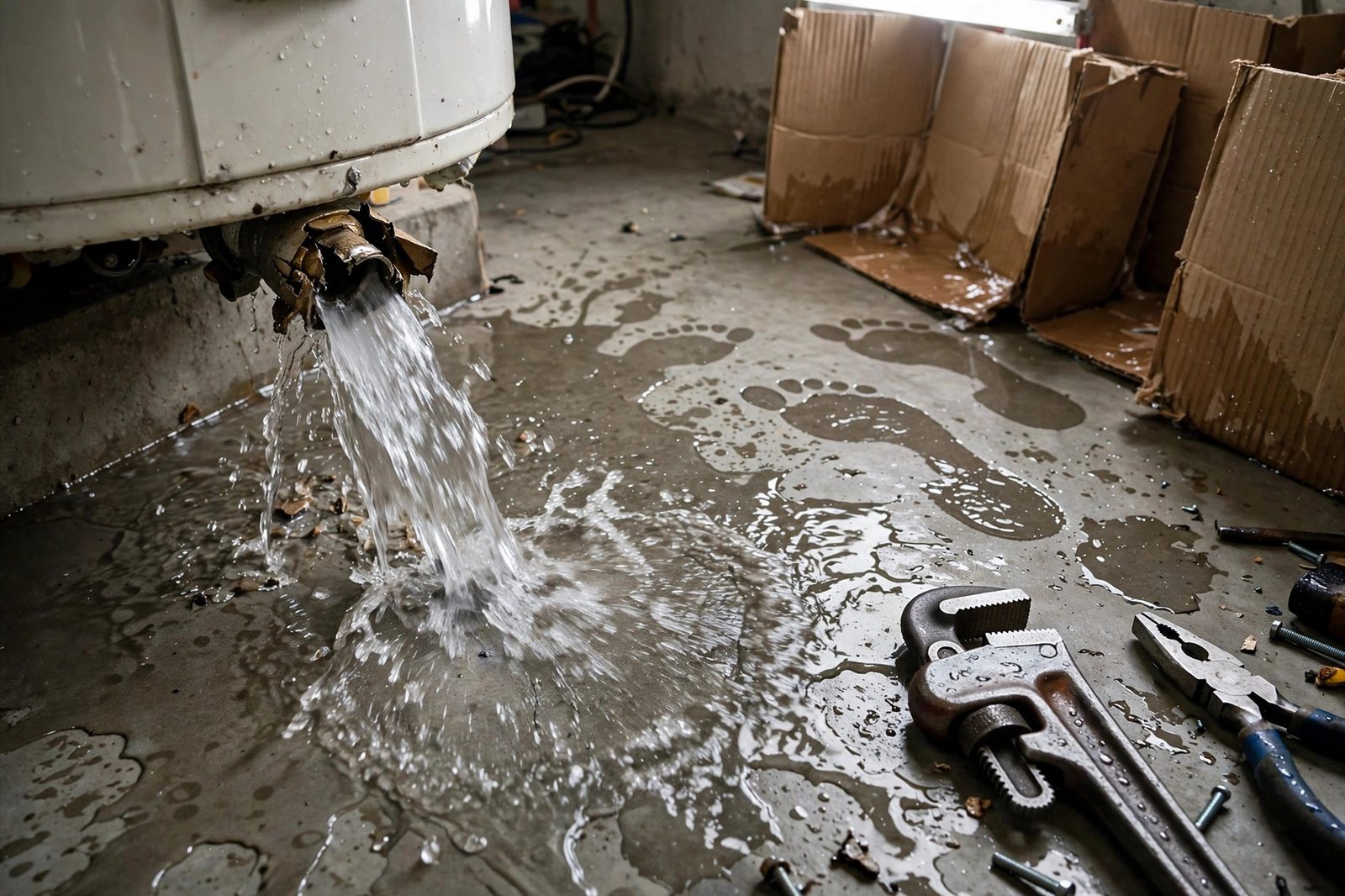
More Than Water Removal
Water is only the first problem. Here's what we actually fix when we walk through your door.
Structural Damage
Standing water weakens framing, subfloors, and foundations. Fast extraction stops a small leak from becoming a structural repair.
Mold Growth
Mold can colonize damp drywall within 48 hours. We dry to verified moisture standards and treat surfaces to prevent regrowth.
Health Risks
Sewage backups and long-standing water carry bacteria and contaminants. We clean and sanitize until the space is safe again.
Lingering Odors
A musty smell means moisture is still hiding somewhere. We find the source, dry it completely, and deodorize — never just mask it.
Ruined Floors & Walls
Buckled hardwood, swollen drywall, peeling paint. We remove what can't be saved and rebuild what matters, start to finish.
Insurance Stress
Claims stall on thin documentation. We photograph everything, log moisture readings daily, and deliver adjuster-ready reports.
05Preventing the Next Basement Flood
After we clean up, we'll give you a straight assessment of why it happened and how to prevent a repeat. The most effective defenses for Ohio basements:
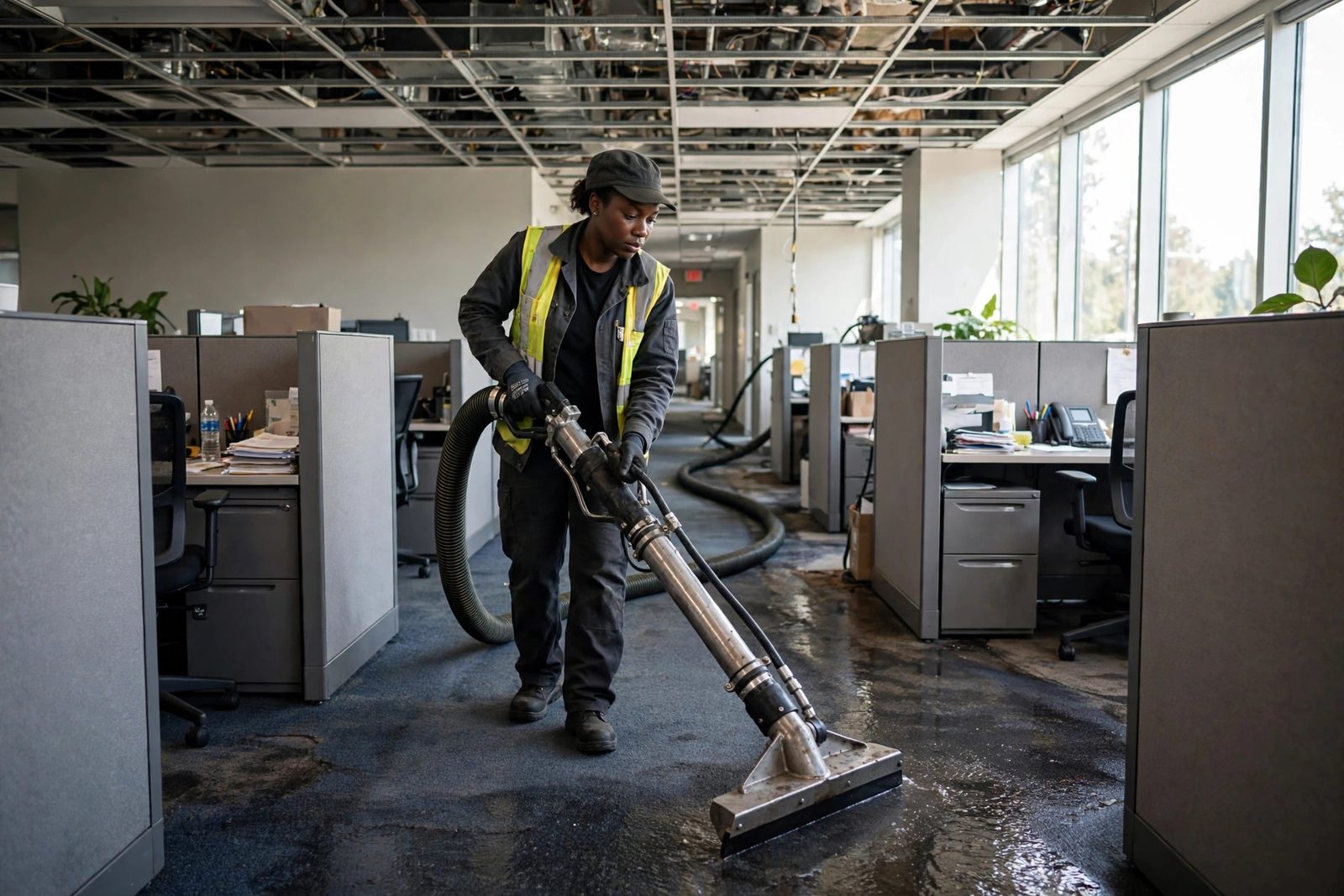
- Sump pump maintenance — test it seasonally, clean the pit, check the float switch and discharge line.
- Battery backup (or water-powered backup) sump system — because pumps most often fail when the power goes out during the storm causing the flood. This is the single highest-value upgrade for Ohio basements.
- Backwater valve — prevents municipal sewer surcharge from entering through your drains. Especially valuable in combined-sewer neighborhoods.
- Water alarms — inexpensive sensors that alert you the moment water appears, so a slow leak doesn't become a flood you discover days later.
- Grading and gutters — soil should slope away from the foundation; downspouts should discharge well away from the house; window wells need covers and drainage.
- Sewer lateral inspection — a camera inspection can reveal root intrusion or collapse in aging clay laterals before they back up into your basement.
- The right insurance — a water backup endorsement (~$40–$160/year) covers sewer and sump-related damage that standard policies exclude.
Columbus homeowners should also know about the city's Project Dry Basement program, which offers backflow-prevention devices for qualifying homes — and Cincinnati residents dealing with MSD sewer backups should know about the Sewer Backup Program's 48-hour reporting rule for reimbursement eligibility.
06CTA: Basement Flooding? We're Ready 24/7
A flooded basement gets worse every hour — deeper moisture, higher mold risk, bigger repair bill. Don't wait for morning.
Call Integrity Water Damage Restoration Ohio at (614) 956-3233 — 24/7 basement flooding cleanup across Ohio.
Our Restoration Process
A disciplined, four-step method — no guesswork, no shortcuts, no surprises.
Rapid Assessment
We inspect on arrival, map hidden moisture with meters and thermal imaging, and lay out a clear plan before any work starts.
Water Extraction
Truck-mounted and portable extractors pull standing water fast — the single biggest factor in limiting total damage.
Drying & Dehumidification
Commercial air movers and dehumidifiers run under daily monitoring until every material reaches verified dry standard.
Cleaning & Restoration
Sanitizing, odor removal, drywall, flooring, and paint — your property restored by one accountable crew.
“Every hour water sits, the damage — and the bill — grows.”
Call (614) 956-3233 — We Answer 24/7Why Ohio Homeowners Call Us First
- 24/7 live dispatch — a real person answers, day or night, holidays included
- 60-minute emergency response goal across our Ohio service area
- Upfront, honest pricing explained before work begins
- Insurance-ready documentation — photos, moisture logs, line-item reports
- Mold prevention built in — antimicrobial treatment on every drying job
- One accountable crew from emergency extraction to final repairs
Water Damage Can't Wait — Neither Do We
Our Ohio crews are on call 24/7 for emergency water extraction and drying.
Call (614) 956-3233 Now?Basement Flooding Cleanup FAQs
Yes — treat it like one. Two inches across a basement is hundreds of gallons, and it's already wicking into drywall, baseboards, and stored belongings. More importantly, you often don't know the water category yet: what looks like rainwater seepage can be mixed with sewage from a surcharged drain. Call us and we'll assess it properly.
It depends entirely on the cause. A burst pipe or failed water heater is typically covered. Sewer backup and sump pump failure are typically excluded unless you carry a water backup endorsement (~$40–$160/year). Flooding from rising water (rivers, surface flooding) requires separate NFIP flood insurance. Call your insurer promptly — and call us immediately, because your policy requires you to mitigate further damage.
Often, a great deal can be saved — if we get there fast and the water is clean. Drywall that's been wet for a short time may be salvageable; drywall soaked for days, or touched by sewage or floodwater, must be removed (typically cut above the waterline). Carpet pad is almost never salvageable; carpet sometimes is. We'll assess honestly and save everything that can genuinely be saved.
Signs include a foul odor, dark or cloudy color, toilet paper or solids, and water coming up through floor drains or toilets (rather than in through walls or windows). But you don't need to be sure — if there's any chance it's sewage, treat it as hazardous, stay out of it, and call professionals. Sewage is Category 3 black water regardless of how it looks.
Professional structural drying typically takes 3–5 days of monitored equipment time for a standard basement flood; contaminated-water jobs and finished basements with extensive material removal can take longer. The full job including rebuild runs longer. Basements are humid, below-grade spaces — drying them properly takes as long as it takes, and we verify with instruments rather than guessing.
Probably, unless something changes — the pump, the power situation, or both. We strongly recommend a battery-backup sump system (or water-powered backup where municipal water pressure allows) for every Ohio basement with a sump pump. It's the cheapest insurance against the most common basement flood scenario in the state: storm arrives, power fails, pump dies, basement fills.
How Was Your Experience?
If our crew helped you through a water emergency, your review helps Ohio neighbors choose with confidence.