NEORSD spent millions fixing chronic flooding on Echo Lane. Integrity Water Damage Restoration Ohio offers 24/7 emergency water damage restoration in Broadview Heights. Call (614) 956-3233.
Water Emergency Right Now?
Do these five things first — then let us take it from there.
- Stay safe first. Don't walk through standing water if the power may be on — and never touch submerged outlets, panels, or appliances.
- Stop the source if you can. Shut the main water valve for a burst pipe or appliance leak. For storm flooding, focus on safety, not the water.
- Call (614) 956-3233 now. Our dispatchers answer 24/7 and can talk you through the next steps while a crew rolls.
- Move what matters. Lift rugs, electronics, and furniture legs out of the water if it's safe to do so — every inch helps.
- Don't wait on drying. Mold can start within 24–48 hours. Fast professional drying is the difference between a cleanup and a rebuild.
01The Echo Lane Project: Proof That Broadview Heights Floods
Here's an unusual credential for a suburb: the regional sewer district spent nearly $9 million fixing flooding in one Broadview Heights neighborhood. The Northeast Ohio Regional Sewer District's Chippewa Creek Flood Reduction at Echo Lane Project — completed in 2025 — was built specifically because homes along Echo Lane, West Ridge Drive, and Twin Oaks Drive flooded chronically. The fix tells you everything about the problem: an expanded detention basin to hold stormwater, 1,220 feet of stream restoration with an expanded floodplain, and 325 feet of buried, culverted stream brought back to daylight.
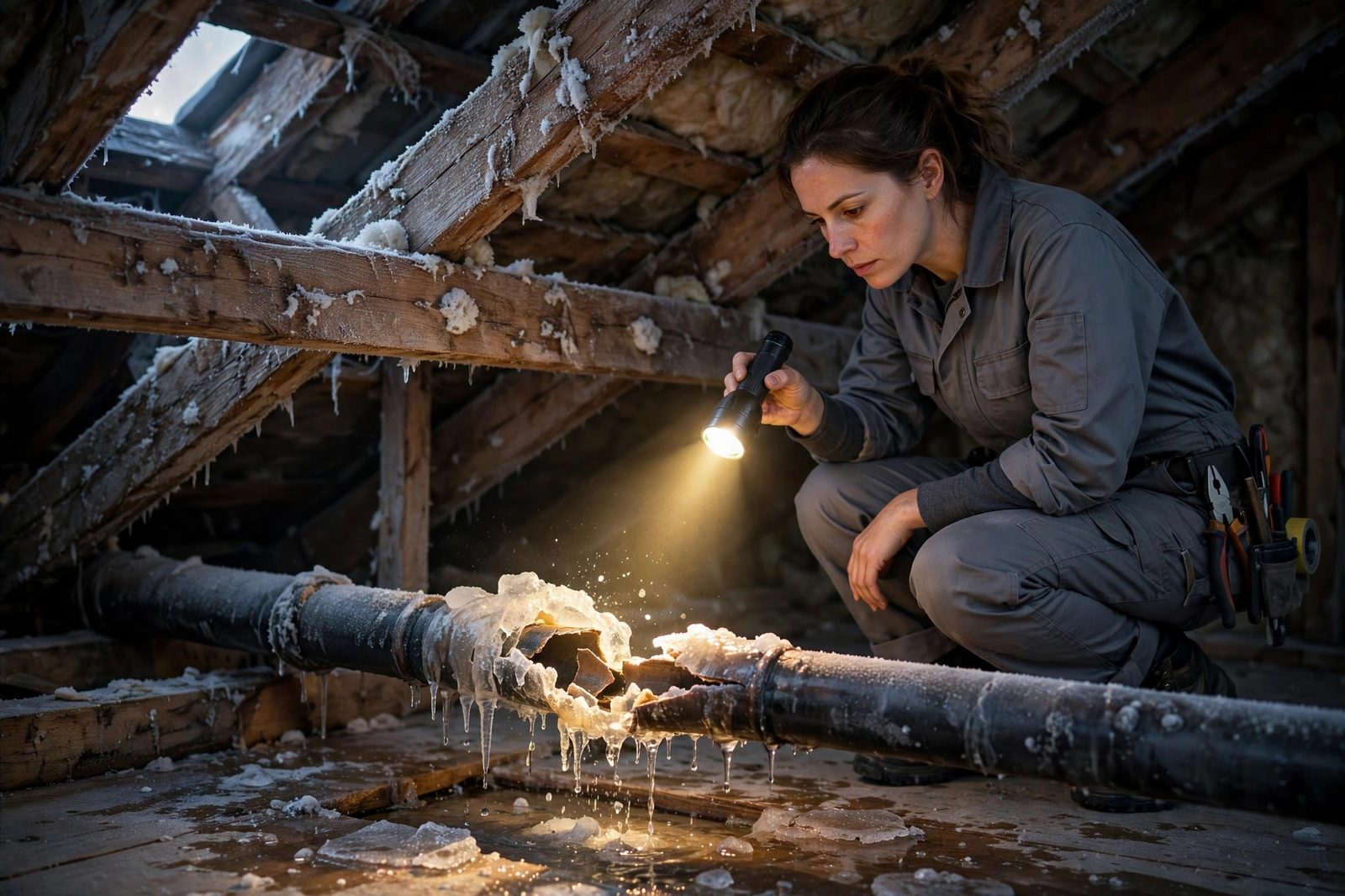
You don't spend that kind of money on a neighborhood that floods once. The Echo Lane project is documentation — poured concrete and regraded streambank — that parts of Broadview Heights have a persistent, structural flooding problem. The good news: the targeted streets got relief. The honest news: the fix covered one project area, not the whole Chippewa Creek watershed, and every other low-lying street in this southwest Cuyahoga County suburb (pop. 19,936) still sits in the same clay-soil, creek-fed drainage system. When the next heavy cell parks over the area — and July 2026 brought repeated flood watches with 2–3 inch-per-hour rainfall rates to Cuyahoga County — Integrity Water Damage Restoration Ohio is the 24/7 emergency call for extraction, drying, and rebuild. Call (614) 956-3233.
02Chippewa Creek: The Watershed Beneath the Suburb
Broadview Heights straddles the Chippewa Creek watershed, which drains the Broadview Heights/North Royalton area north to the Cuyahoga River. Most residents experience the creek as background — a wooded corridor behind the subdivision, a culvert under the street. But watersheds don't care about property lines. Everything that falls on Broadview Heights' roofs, driveways, and streets runs somewhere, and in this suburb it runs toward Chippewa Creek and its tributaries. When development upstream adds impervious surface and a thunderstorm drops inches in an hour, the creek's tributaries rise faster than the storm sewers and culverts can pass the water — and the water finds the lowest finished basements first.
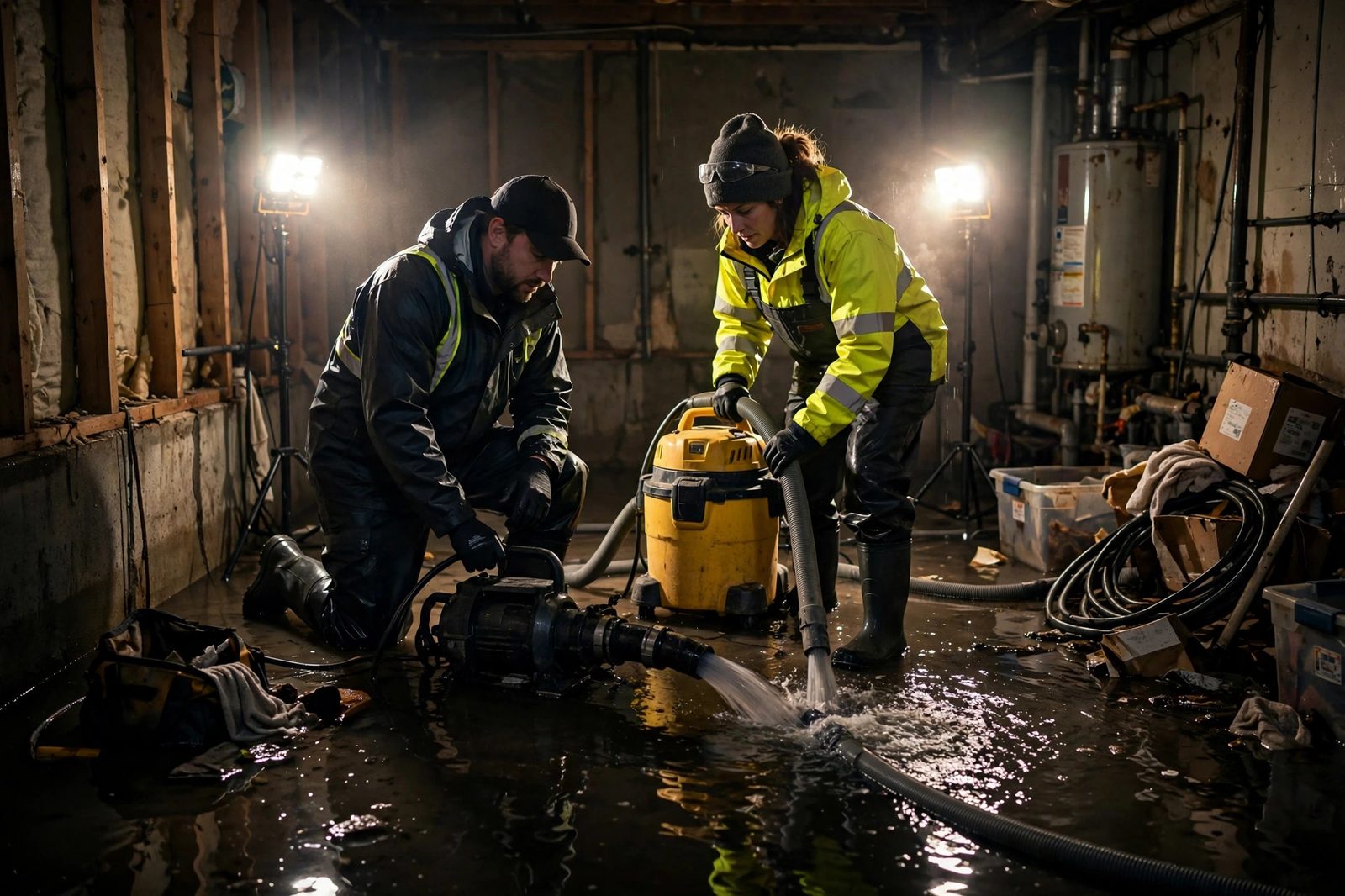
The August 6, 2024 storms that put Cuyahoga County under a state of emergency are the recent reminder of what the sky can do here. Broadview Heights also sat inside NWS severe-thunderstorm footprints in July 2024. These aren't anomalies; they're the weather pattern this watershed now gets.
03What 325 Feet of Daylighted Creek Means for Your Basement
The most telling detail of the Echo Lane project isn't the detention basin — it's the daylighting. Three hundred twenty-five feet of stream that had been buried in a culvert was dug up and restored to open channel with a connected floodplain. Buried streams are a quiet flooding multiplier: a culvert has a fixed capacity, it clogs, and when it can't pass the water, the water comes up — into streets, yards, and basements — with nowhere else to go. Daylighting gives the water somewhere to spread out safely.
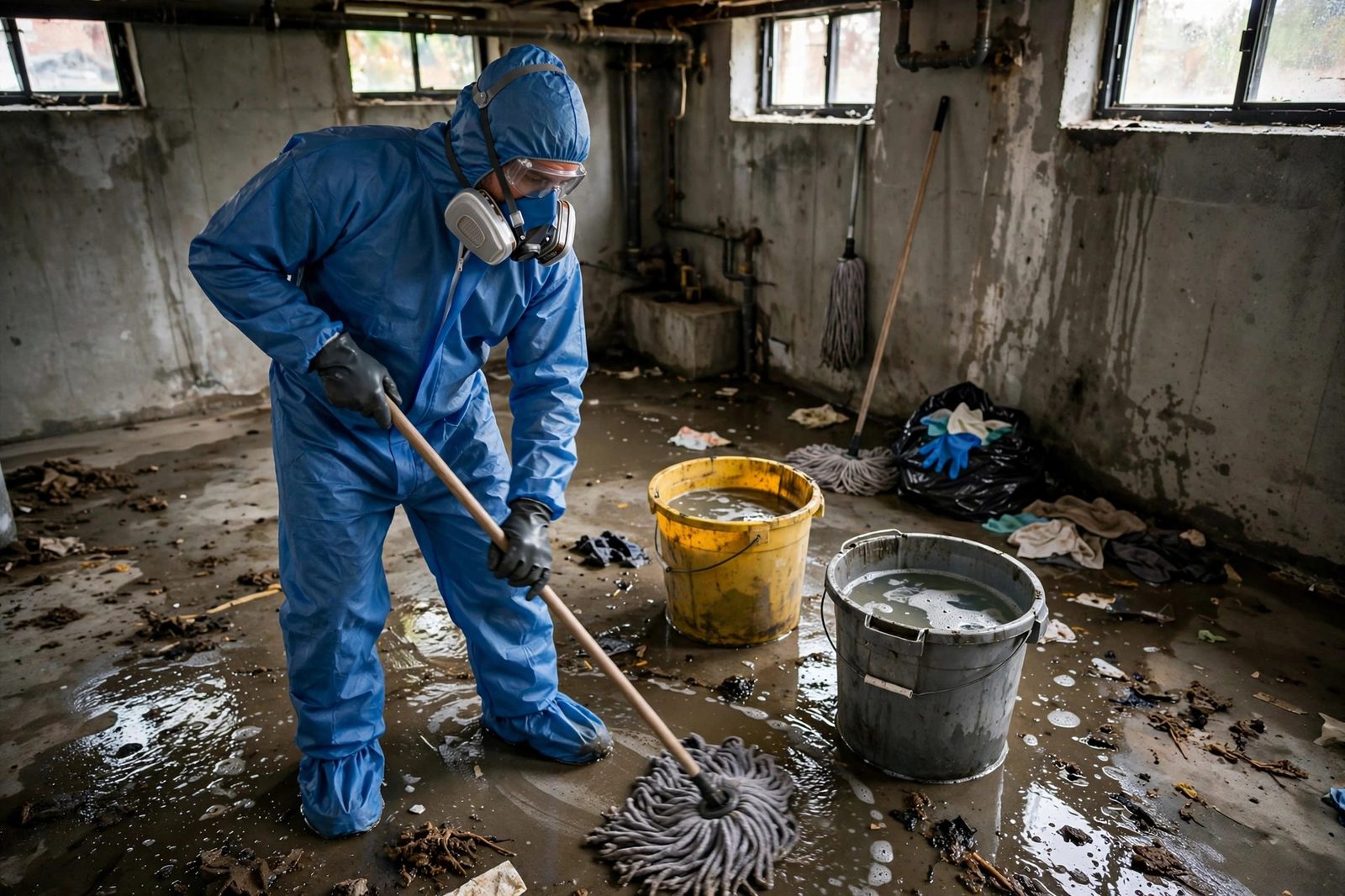
If you live near a culverted stream or a buried tributary in Broadview Heights, the lesson is practical, not academic:
- Know where your water goes. A storm drain at the curb or a creek behind the lot line is part of your flood exposure.
- Watch the inlets. Culvert openings and storm-drain grates clogged with leaves and debris are the most common trigger of neighborhood flash flooding.
- Don't assume the project fixed your street. The Echo Lane work targeted Echo Lane, West Ridge Drive, and Twin Oaks Drive. If your home flooded before 2024 and isn't on those streets, your risk profile hasn't changed.
Finished basements are the norm in Broadview Heights' 1970s–2000s housing stock — which means when water gets in, it doesn't just wet concrete. It ruins carpet, drywall, furniture, electronics, and the furnace or air handler sitting in the utility corner. Integrity Water Damage Restoration Ohio extracts fast, dries to verified moisture standards, and documents everything for your insurer. Call (614) 956-3233.
04The Sump Pump Equation on Clay Soils
Broadview Heights' suburban housing sits on clay soils that shed water rather than absorb it — which is why so many homes here depend on sump pumps. A sump pump is a single point of failure, and the failure modes are depressingly consistent: the power goes out during the same storm that's filling the pit, the float switch sticks, the discharge line freezes or clogs, or the pump simply reaches the end of its life (typically 7–10 years) during the worst storm of the decade.

For a higher-value home with a finished basement, the math is stark: a battery backup system and a water alarm cost a fraction of one flooded finished basement. And when the system fails anyway — because storms don't respect preparation — speed is everything. Mold can begin within 24–48 hours of water exposure; every hour of standing water pushes contamination deeper into drywall, subflooring, and framing. Integrity Water Damage Restoration Ohio dispatches 24/7 across Broadview Heights with truck-mounted extraction and industrial drying equipment. Call (614) 956-3233 — day, night, or mid-storm.
More Than Water Removal
Water is only the first problem. Here's what we actually fix when we walk through your door.
Structural Damage
Standing water weakens framing, subfloors, and foundations. Fast extraction stops a small leak from becoming a structural repair.
Mold Growth
Mold can colonize damp drywall within 48 hours. We dry to verified moisture standards and treat surfaces to prevent regrowth.
Health Risks
Sewage backups and long-standing water carry bacteria and contaminants. We clean and sanitize until the space is safe again.
Lingering Odors
A musty smell means moisture is still hiding somewhere. We find the source, dry it completely, and deodorize — never just mask it.
Ruined Floors & Walls
Buckled hardwood, swollen drywall, peeling paint. We remove what can't be saved and rebuild what matters, start to finish.
Insurance Stress
Claims stall on thin documentation. We photograph everything, log moisture readings daily, and deliver adjuster-ready reports.
05CTA Blocks
Broadview Heights Flooding? Basement Underwater? Call Now — 24/7. The Echo Lane project proved what the watershed already knew: parts of Broadview Heights flood, and the fixes can't cover every street. Integrity Water Damage Restoration Ohio provides 24/7 emergency water extraction, structural drying, and mold prevention across Broadview Heights and southwest Cuyahoga County. Call (614) 956-3233 for immediate response.
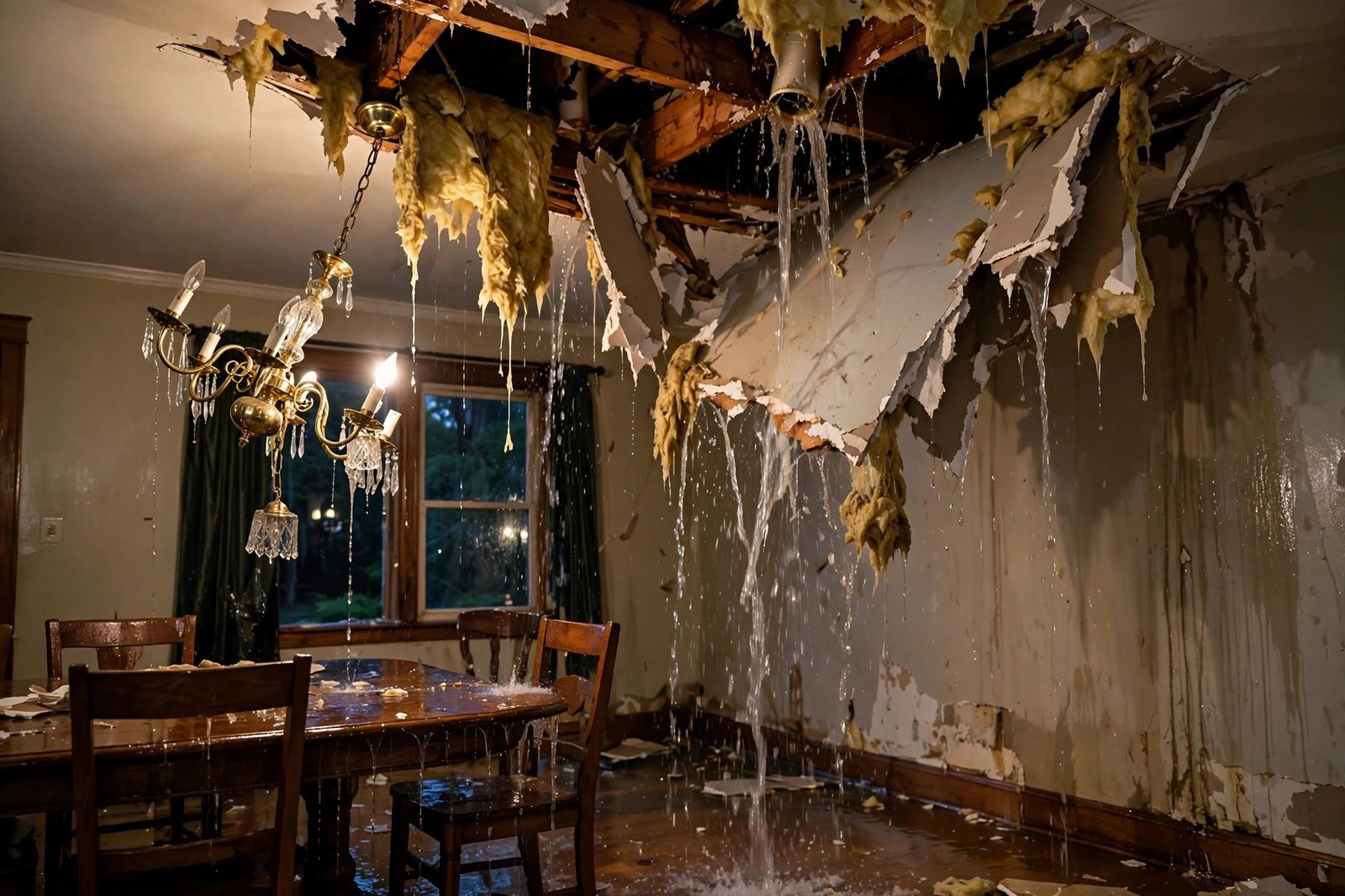
Free Moisture Inspection — Broadview Heights Finished basement took water? Musty smell that won't quit? Suspect damage from a past storm that was never fully dried? We'll inspect, measure moisture behind walls and under floors, and give you an honest assessment — free. Call (614) 956-3233.
“Every hour water sits, the damage — and the bill — grows.”
Call (614) 956-3233 — We Answer 24/7Why Ohio Homeowners Call Us First
- 24/7 live dispatch — a real person answers, day or night, holidays included
- 60-minute emergency response goal across our Ohio service area
- Upfront, honest pricing explained before work begins
- Insurance-ready documentation — photos, moisture logs, line-item reports
- Mold prevention built in — antimicrobial treatment on every drying job
- One accountable crew from emergency extraction to final repairs
Water Damage Can't Wait — Neither Do We
Our Ohio crews are on call 24/7 for emergency water extraction and drying.
Call (614) 956-3233 Now?Frequently Asked Questions
Only if you live on Echo Lane, West Ridge Drive, or Twin Oaks Drive — the streets the NEORSD project targeted. The project is proof the watershed floods, not proof the whole city is fixed. If your home is in a low-lying area or near a creek or culverted stream elsewhere in the city, keep your sump system maintained and your water alarms working.
A buried (culverted) stream has fixed capacity — when it clogs or is overwhelmed, water backs up into streets and basements. NEORSD daylighted 325 feet of buried stream at Echo Lane to give floodwater room to spread safely. If a culverted stream runs near your home, keep inlets clear and consider a backwater valve on your sewer lateral.
If water came up through drains, assume contamination and stay out. Shut off power to the area from a dry location if safe. Call (614) 956-3233 immediately — we extract, disinfect where needed, and dry with verified moisture readings. Photograph everything before cleanup for your insurance claim.
Most sump pumps last 7–10 years. Given the clay soils and storm intensity here, we recommend annual testing, a battery backup for outages, and replacement at the first sign of trouble — not after the basement floods. Ask us about backup options at (614) 956-3233.
Standard homeowners policies typically exclude flooding from outside water — that requires separate NFIP flood insurance. Sewer backup needs its own endorsement. We document every loss with photos and moisture logs so your claim has the evidence it needs.
Also Serving Nearby Communities
Fast response across the region — pick your town for local flood risks and what to do first.
How Was Your Experience?
If our crew helped you through a water emergency, your review helps Ohio neighbors choose with confidence.